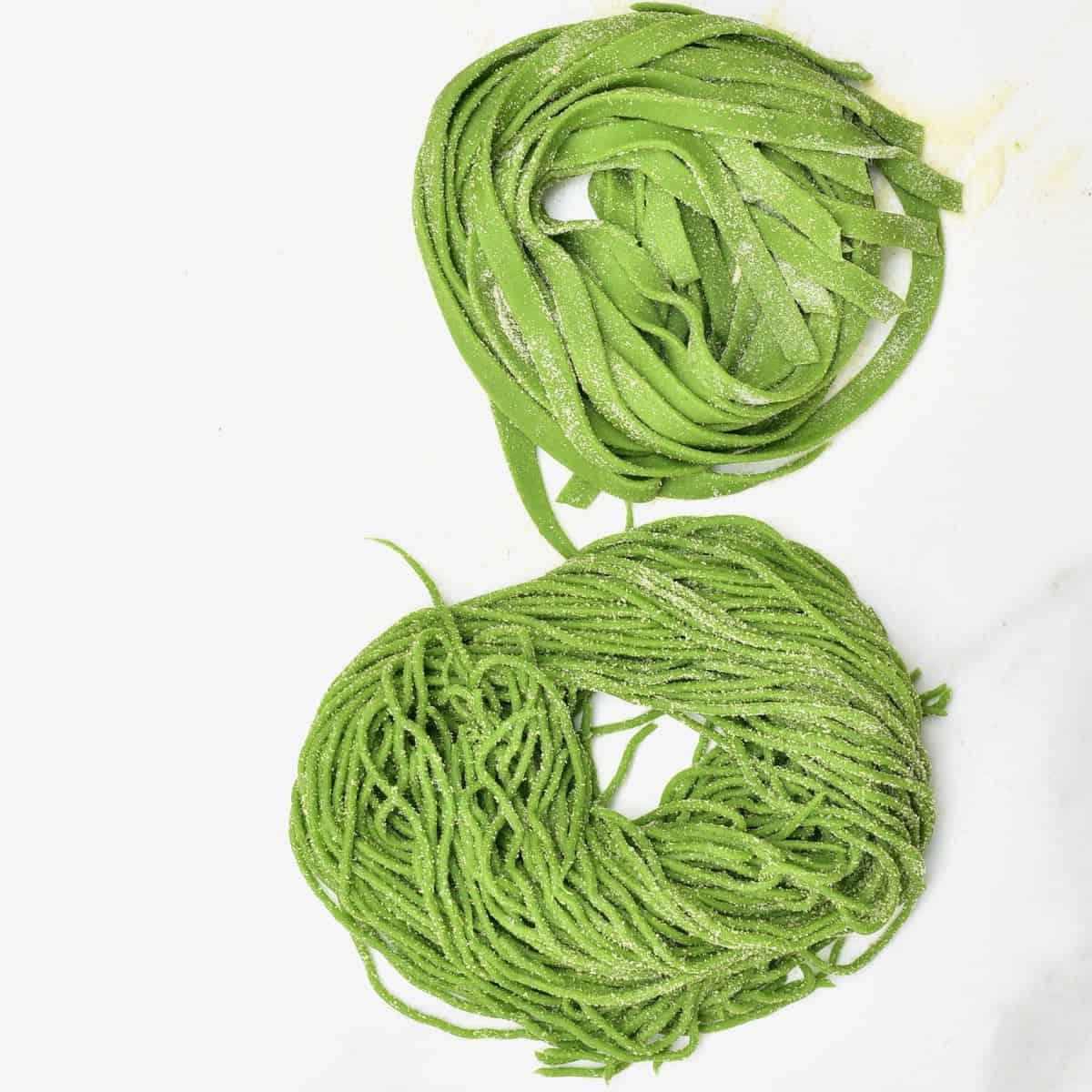
Egg-Free Spinach Pasta Dough: A Fun & Healthy Way to Eat Your Greens
There's a special kind of satisfaction that comes from creating something delicious from scratch, and homemade pasta is certainly one of those culinary triumphs. But what if you could infuse that fresh pasta with vibrant color, a subtle boost of nutrition, and an entirely egg-free composition? Enter the world of egg-free spinach pasta dough! This article will guide you through
how to make spinach noodles at home, transforming simple ingredients into beautiful, healthy, and incredibly versatile green pasta. Whether you're a seasoned pasta maker or a curious beginner, get ready to elevate your pasta nights with these verdant, wholesome strands.
This unique recipe goes beyond traditional pasta, offering a fantastic vegan and dairy-free alternative that's packed with nutrients. Not only does it add a delightful splash of color to any dish – making it a secret weapon for enticing even the pickiest eaters to enjoy their greens – but it's also incredibly simple to prepare with just three core ingredients. Forget the store-bought varieties; once you experience the tenderness and fresh flavor of homemade green pasta, there’s no turning back!
The Simple Ingredients Behind Your Green Pasta Masterpiece
Creating delicious, vibrant spinach pasta starts with understanding the role of each component. This egg-free recipe relies on a trio of core ingredients, with optional additions to truly make it your own.
*
Flour: The Foundation of Your Dough
For the most tender and smooth homemade spinach noodles, many enthusiasts opt for
00 flour. This finely milled Italian flour creates a dough that's wonderfully pliable and results in a delicate pasta texture. However, don't feel limited! A blend of 00 flour and
durum wheat semolina flour can yield a slightly 'stronger' dough with a pleasing bite, perfect for heartier sauces. If you only have
all-purpose flour on hand, it will certainly work, though your pasta might be a touch chewier. Experiment to find your preferred texture!
*
Spinach: The Green Powerhouse
This is where the magic happens! To achieve that vibrant green hue and infuse your pasta with nutrients, fresh spinach is key. Our preferred method for this particular recipe focuses on using
spinach juice only, ensuring a smoother dough consistency. This can be achieved in two primary ways:
*
Using a Juicer: Simply rinse your fresh spinach leaves and feed them into a juicer. This method efficiently extracts the pure spinach juice, leaving behind the pulp.
*
Blender & Strainer Method: If you don't own a juicer, you can still achieve excellent results. Blend the spinach with a tiny amount of water until completely pureed. Then, pour the puree through a fine-mesh sieve, nut milk bag, or cheesecloth, squeezing out every last drop of the liquid. This might require a little more effort but is a perfectly viable alternative.
An excellent bonus: the leftover spinach pulp can be dried out and ground into a green spinach powder, perfect for boosting smoothies, soups, or even future pasta endeavors!
*
Olive Oil: For Suppleness and Ease
A touch of olive oil plays a crucial role in creating a more tender and supple dough. It aids in the dough's elasticity, making it significantly easier to roll out and shape into your desired pasta forms.
*
(Optional) Seasonings: Flavor Enhancers
While the subtle, earthy hint of spinach is delightful on its own, homemade pasta offers the perfect canvas for creative flavor infusions. A pinch of salt is highly recommended to enhance the overall taste. Beyond that, feel free to experiment with garlic powder, onion powder, dried herbs like oregano or basil, or even a dash of Italian seasoning. These additions will lend an extra layer of depth to your green noodles, making each bite an adventure.
How to Make Spinach Noodles: A Step-by-Step Guide
Crafting your own egg-free spinach pasta is a rewarding process that's simpler than you might imagine. Follow these steps to create beautiful, healthy green pasta from scratch. For more detailed instructions, you might find this guide helpful:
How to Make Homemade Spinach Noodles: Vegan & Nutrient-Rich.
Step 1: Prepare Your Spinach Juice
The first and most crucial step is to extract the vibrant green juice from your spinach.
*
For Juicer Owners: Rinse a generous amount of fresh spinach leaves thoroughly. Feed them through your juicer, collecting the bright green liquid. Aim for the specified amount of juice in your recipe (typically around 1/2 to 3/4 cup for a standard batch of dough).
*
For Blender Users: Wash your spinach well. Place it in a high-speed blender with 1-2 tablespoons of water (just enough to get the blades moving). Blend until a smooth, bright green puree forms. Pour this puree into a nut milk bag or cheesecloth-lined sieve set over a bowl. Squeeze vigorously to extract all the liquid, leaving the pulp behind.
Step 2: Form the Dough Mound
On a clean, spacious work surface (a large cutting board or directly on your counter), mound your flour into a neat pile. Using your fingers or the bottom of a bowl, create a generous "well" in the center of the flour mound, much like a volcano. Ensure the walls of the well are sturdy enough to hold liquid.
Step 3: Combine Liquids and Flour
Pour your fresh spinach juice and the olive oil directly into the well. If adding salt or other dry seasonings directly to the dough, sprinkle them into the liquid now.
Using a fork, start whisking the liquid from the center, slowly incorporating small amounts of flour from the inner walls of the well. Continue this process, gradually widening your circle, until a rough, shaggy dough begins to form. Don't worry if it looks messy at this stage; it's all part of the process!
Step 4: Knead to Perfection
Once the dough is too stiff to work with a fork, it's time to get your hands dirty! Bring the shaggy dough together and begin kneading. The goal of kneading is to develop the gluten in the flour, which gives the pasta its structure and elasticity.
* Push the dough away from you with the heel of your hand, then fold it back towards you. Rotate the dough slightly and repeat.
* Knead for about 8-10 minutes, or until the dough becomes smooth, elastic, and springs back slowly when gently poked. It should feel firm but pliable, not sticky. If it's too sticky, add a tiny pinch of flour; if too dry, add a few drops of water (or more spinach juice, if available).
* The final result should be a beautiful, uniform emerald green ball of dough.
Step 5: Rest the Dough
This step is crucial for achieving tender pasta. Loosely cover the kneaded dough with plastic wrap or a damp cloth to prevent it from drying out. Let it rest at room temperature for at least 30 minutes (or up to an hour). Resting allows the gluten to relax, making the dough much easier to roll and shape.
Step 6: Roll and Shape Your Noodles
Now for the fun part! Divide your dough into manageable portions.
*
Using a Pasta Machine: Flatten one portion of dough with your hands or a rolling pin. Feed it through the widest setting of your pasta machine. Fold the dough in half or in thirds, and feed it through again, repeating this 2-3 times until it's rectangular and smooth. Then, gradually work your way down to narrower settings, feeding the dough through each setting until it reaches your desired thickness (usually setting 5 or 6 for fettuccine, thinner for spaghetti).
*
Rolling by Hand: If you don't have a machine, dust your surface lightly with flour and use a rolling pin to roll the dough out as thinly and evenly as possible. Aim for a thickness similar to what a pasta machine would achieve.
Once your sheets are rolled, you can cut them into various shapes:
*
Noodles: Use the cutting attachment on your pasta machine for fettuccine, spaghetti, or linguine. If cutting by hand, dust the pasta sheet with flour, roll it loosely into a log, and slice it crosswise to your desired width. Unroll the noodles immediately.
*
Lasagna Sheets: Cut the rolled sheets into rectangles.
*
Ravioli: Use the sheets with a ravioli stamp or cut squares and fill them.
Dust your freshly cut noodles with a little flour or semolina to prevent sticking, and either cook them immediately or prepare them for storage. For more creative ideas and quick steps, refer to:
Easy 3-Ingredient Green Pasta: Delicious Homemade Spinach Noodles.
The Benefits of Egg-Free Spinach Pasta Dough
Beyond its striking appearance, choosing to make egg-free spinach pasta dough offers a multitude of advantages that cater to various dietary needs and preferences.
*
A Nutritional Powerhouse: Spinach, even in juice form, contributes a wealth of vitamins and minerals. Your green pasta will naturally contain vitamins K, A, and C, as well as folate and iron. It's a clever way to sneak extra goodness into your diet without altering the deliciousness of your meal. While the juice primarily offers vitamins and minerals, eating whole spinach would add more fiber. However, the subtle flavor ensures broad appeal.
*
Dietary Versatility: The egg-free nature of this recipe makes it inherently vegan and dairy-free, catering to those with dietary restrictions, allergies, or ethical choices. It’s a fantastic alternative for individuals avoiding eggs or dairy, allowing everyone to enjoy the comforting taste of homemade pasta.
*
Kid-Friendly & Picky-Eater Approved: Let's face it, getting kids to eat their greens can be a challenge. The fun, vibrant green color of these noodles is often enough to pique their curiosity and make mealtime more exciting. Crucially, the spinach flavor is incredibly mild, often almost undetectable when paired with a tasty sauce, making it an excellent "stealth health" option for little ones and even adults who claim not to like spinach.
*
Endless Culinary Possibilities: This versatile dough isn't just for classic spaghetti or fettuccine. You can transform it into lasagna sheets, delicate ravioli, or even unique shapes for pasta salads. Its subtle flavor profile means it pairs beautifully with a wide array of sauces, from light pesto to creamy tomato, or simply with olive oil and garlic.
Tips for Perfect Green Pasta & Creative Uses
Making homemade pasta is an art, but with a few tips, you can ensure success every time.
*
Dough Consistency is Key: The perfect dough should be firm but pliable, not sticky. If your dough feels too wet, add a tiny bit more flour. If it's too dry and crumbly, add a few drops of water or spinach juice. Adjust gradually!
*
Don't Skip the Rest: The resting period is non-negotiable. It allows the gluten to relax, making the dough much easier to roll out thinly and preventing it from shrinking back.
*
Dusting Prevents Sticking: Always generously dust your work surface, pasta sheets, and freshly cut noodles with a little extra flour or fine semolina to prevent them from sticking together.
*
Cooking Your Fresh Noodles: Fresh pasta cooks much faster than dried pasta. Bring a large pot of salted water to a rolling boil. Add your noodles and cook for only 2-4 minutes, or until al dente. Taste test frequently!
*
Storing Your Homemade Pasta:
*
Fresh: Cook immediately, or let them air dry for about 30 minutes to an hour (until slightly firm to the touch) and store in an airtight container in the refrigerator for 1-2 days.
*
Dried: You can completely air-dry your noodles by hanging them on a pasta rack or laying them flat on a floured surface for 12-24 hours until brittle. Store them in an airtight container at room temperature for several weeks.
*
Creative Serving Suggestions: While a classic marinara is always welcome, consider pairing your green pasta with:
* A light lemon-garlic butter sauce with roasted cherry tomatoes.
* Creamy vegan pesto (made with nutritional yeast for a cheesy flavor).
* Sautéed mushrooms and fresh herbs.
* A vibrant spring vegetable medley.
* Tossed with olive oil, red pepper flakes, and toasted breadcrumbs for a simple yet satisfying meal.
*
Explore Other Natural Colors: Once you've mastered green pasta, you might be inspired to experiment with other natural food colorings! Beetroot juice can create stunning pink or red pasta, turmeric can yield golden yellow strands, and even squid ink (though not vegan) makes for dramatic black pasta.
Conclusion
Learning
how to make spinach noodles is a truly rewarding culinary journey. This comprehensive guide has shown you how to create vibrant, healthy, and entirely egg-free spinach pasta dough from scratch, using just a few simple ingredients. From the detailed ingredient breakdown and step-by-step instructions to valuable tips for perfection and creative serving suggestions, you now have all the knowledge to transform your kitchen into a pasta-making haven. Embrace the joy of fresh, homemade green pasta – a dish that's not only delicious and nutritious but also a fun way to bring more greens to your table. So roll up your sleeves, gather your ingredients, and get ready to impress yourself and your loved ones with these beautiful, flavorful egg-free spinach noodles!