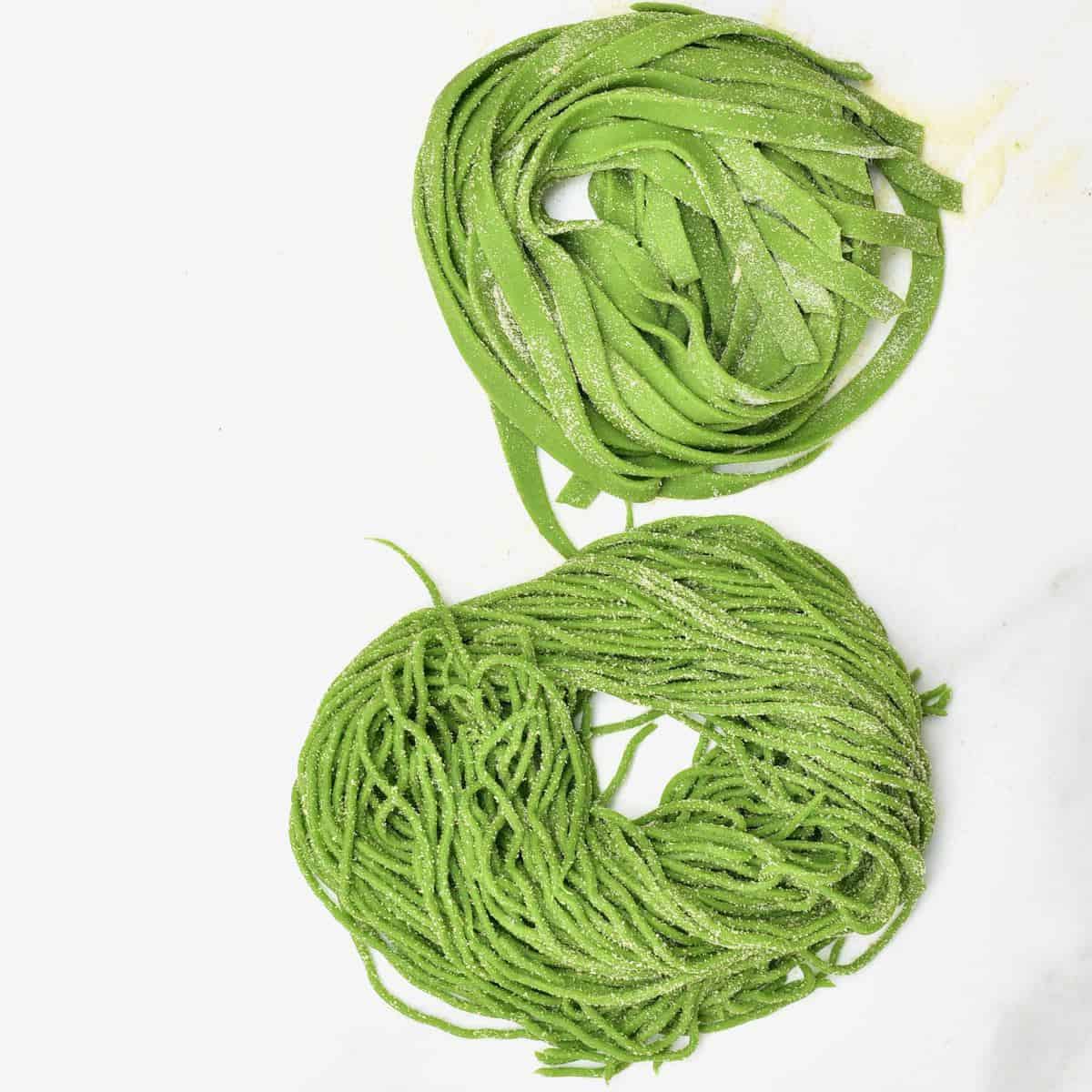
Imagine a pasta dish that’s not only vibrant green and visually stunning but also packed with extra nutrients and unbelievably delicious. Sounds complicated? Think again! We're about to unlock the secret to creating luscious, homemade spinach noodles with just three simple ingredients. Forget store-bought pasta; making your own green pasta dough at home is a rewarding experience that elevates any meal, offering a unique flavor and texture that's hard to beat.
This comprehensive guide will walk you through everything you need to know about how to make spinach noodles from scratch. Whether you're a seasoned pasta maker or a curious beginner, you'll discover the joy of crafting tender, supple green pasta that's not only vegan and often egg-free but also a fantastic way to incorporate more greens into your diet. Prepare to impress your family and friends with this easy, flavorful, and incredibly versatile homemade delight!
The Magic of Green Pasta: Why Make Homemade Spinach Noodles?
There’s something undeniably special about homemade pasta, and when it’s tinted a beautiful, natural green, it becomes an instant showstopper. But the appeal of homemade spinach noodles goes far beyond their striking appearance. Here’s why this recipe should be your next kitchen adventure:
- Nutrient Powerhouse: Spinach is celebrated for being rich in vitamins K, A, and C, as well as folate, iron, and magnesium. By infusing your pasta with spinach juice, you're boosting the nutritional profile of your meal without compromising on taste. It's a clever way to add extra goodness to a beloved comfort food.
- Subtle, Earthy Flavor: Worried about an overpowering spinach taste? Don't be! When made with spinach juice, these noodles carry only a delicate, earthy hint of spinach, allowing them to pair beautifully with a wide array of sauces. In fact, many self-proclaimed "spinach-haters" (especially kids!) find themselves enjoying these green noodles without a second thought once they're coated in their favorite sauce. It’s a fantastic way to sneak in those greens!
- Vibrant Visual Appeal: The natural green hue of these noodles adds an exciting pop of color to your plate, making mealtime more fun and enticing. Imagine a bowl of bright green fettuccine with a rich tomato sauce or a light garlic and olive oil dressing – it’s a feast for the eyes as well as the palate.
- Vegan & Allergy-Friendly: Unlike traditional egg pasta, this recipe is designed to be completely vegan and egg-free, making it an excellent option for those with dietary restrictions or ethical preferences. It's a delicious way to enjoy fresh pasta without compromising your values. For more insights into creating delightful egg-free pasta, check out our guide on Egg-Free Spinach Pasta Dough: A Fun & Healthy Way to Eat Your Greens.
- Versatile for Any Dish: These spinach noodles aren't just for spaghetti or fettuccine. The versatile dough can be transformed into a multitude of pasta shapes – think lasagna sheets for a vibrant green lasagna, delicate ravioli with a creamy filling, or even playful shapes for a kids' meal.
- The Joy of DIY: There’s immense satisfaction in creating something delicious from scratch with your own hands. Plus, you have complete control over the quality of ingredients, ensuring a fresh and wholesome product free from additives.
Mastering the 3-Ingredient Secret: What You'll Need
The beauty of this recipe lies in its simplicity. With just three core ingredients (plus optional seasonings), you'll be on your way to homemade pasta perfection. Let's delve into each component:
1. The Flour Foundation: Choosing Your Best Dough Base
The type of flour you choose significantly impacts the texture of your final pasta. While there are options, one stands out for superior results:
- 00 Flour: This is the gold standard for homemade pasta. Finely milled with a lower protein content than all-purpose flour, 00 flour produces an incredibly tender, silky, and pliable dough that is a dream to work with. It results in pasta that is delicate yet firm, absorbing sauces beautifully.
- Durum/Semolina Flour: For a pasta with more "bite" and a slightly firmer texture, you can experiment with combining 00 flour with durum wheat semolina flour. Semolina adds a pleasant chewiness and a beautiful golden hue (though the spinach will dominate the color here). A 50/50 blend is a great starting point if you want to try this variation.
- All-Purpose Flour: While certainly usable, all-purpose flour will yield a slightly chewier and less tender pasta compared to 00 flour. If it's all you have on hand, don't let it stop you! You'll still achieve delicious homemade pasta, just with a different textural profile. Our advice: if you can, invest in 00 flour for a truly authentic Italian pasta experience.
2. The Green Powerhouse: Fresh Spinach
This is where the magic happens, transforming plain dough into vibrant green noodles. For the smoothest, most tender pasta dough, we recommend using spinach juice:
- Using a Juicer (Recommended): The most efficient method is to rinse fresh spinach leaves and feed them through a juicer. This extracts pure, concentrated spinach juice, free of any fibrous pulp, which contributes to a very smooth and elastic dough.
- Blender & Strainer Method (Alternative): If you don't own a juicer, you can still achieve spinach juice. Blend rinsed spinach leaves with a tiny splash of water (just enough to get the blades moving) until you have a smooth puree. Then, pour this mixture through a nut milk bag or several layers of cheesecloth and squeeze out all the liquid. The key here is to use as little water as possible to avoid diluting the spinach flavor and pigment, and to prevent an overly wet dough. While a juicer offers the most consistent results, this alternative is a viable option.
Pro Tip: Don't discard the leftover spinach pulp from juicing! You can spread it thinly on a baking sheet or dehydrator tray to dry, then grind it into nutrient-rich spinach powder. This powder can be used in smoothies, soups, or even future pasta dough for an extra health boost!
3. The Supple Enhancer: Olive Oil
A touch of good quality olive oil plays a crucial role in creating a superior pasta dough:
- Elasticity and Tenderness: Olive oil helps to lubricate the gluten strands in the flour, resulting in a more elastic and supple dough that is significantly easier to roll out thinly without tearing. It also contributes to a more tender final pasta texture.
- Flavor Contribution: While subtle, a good extra virgin olive oil can add a nuanced, fruity note to your pasta, complementing the mild spinach flavor.
Optional Flavor Boosters
While only three ingredients are essential for the dough's structure, don't hesitate to personalize your pasta:
- Salt: A pinch of fine sea salt added to the dough enhances the overall flavor. Many consider salt a standard seasoning rather than a core ingredient, but it makes a big difference.
- Herbs & Spices: For an extra layer of flavor, consider adding a dash of garlic powder, onion powder, or a teaspoon of dried Italian seasoning to your flour mix. This is where the creativity of homemade pasta truly shines!
Step-by-Step Guide: How to Make Spinach Noodles from Scratch
Ready to get your hands green? Follow these steps to create beautiful, delicious homemade spinach noodles.
Step 1: Extract Your Green Elixir (Spinach Juice)
First, prepare your spinach juice. For a typical batch of pasta serving 2-4 people, you'll generally need about 1/2 to 3/4 cup of concentrated spinach juice. This might require 5-7 ounces (a standard bag) of fresh spinach, depending on its water content and your juicer's efficiency.
- With a Juicer: Thoroughly rinse your fresh spinach leaves. Feed them through your juicer, collecting the vibrant green juice in a clean container.
- With a Blender & Strainer: Rinse spinach leaves. Place them in a high-speed blender with 1-2 tablespoons of water (start with less, add more only if needed). Blend until completely smooth. Pour the puree into a nut milk bag or several layers of cheesecloth positioned over a bowl. Squeeze firmly to extract all the liquid, leaving the pulp behind.
Step 2: Crafting the Dough
This is where your ingredients come together to form the pasta dough.
- On a clean, spacious work surface (like a large cutting board or countertop), mound your flour.
- Create a deep "well" in the center of the flour mound, much like a volcano crater. Ensure the walls of the well are sturdy enough to hold liquid without collapsing immediately.
- Pour your spinach juice and olive oil into the well. If adding salt or other dry seasonings, sprinkle them over the flour or into the liquid.
- Using a fork, start whisking the liquid gently from the center, slowly incorporating small amounts of flour from the inner walls of the well. Continue this motion, gradually widening your whisking circle, until most of the liquid is absorbed and you have a rough, shaggy dough.
- Once the mixture is too thick to use a fork, scrape any remaining flour into the center and begin kneading the dough with your hands.
- Kneading: This is a crucial step. Knead the dough vigorously for about 8-10 minutes. Use the heel of your hand to push the dough away from you, fold it over, rotate, and repeat. Initially, the dough might be sticky, but as you knead, it will become smooth, elastic, and less sticky. The goal is a uniform, vibrant green ball of dough that springs back when gently poked. If the dough feels too sticky, add flour by the teaspoon; if too dry, add a few drops of water or spinach juice.
Step 3: The Rest is Best (Resting the Dough)
Never skip this step! Resting allows the gluten developed during kneading to relax, making the dough much easier to roll out without tearing or springing back. It also hydrates the flour fully.
- Shape the kneaded dough into a smooth ball. Wrap it tightly in plastic cling film to prevent it from drying out.
- Let the dough rest at room temperature for at least 30 minutes, or refrigerate for up to 2 hours. If refrigerating, bring it back to room temperature for about 15-20 minutes before rolling.
Step 4: Rolling and Shaping Your Green Masterpiece
Now for the fun part – transforming your dough into beautiful noodles!
- Lightly dust your work surface and dough with a little 00 flour or fine semolina flour to prevent sticking.
- Using a Pasta Machine: Divide your dough into smaller, manageable portions (e.g., quarters). Flatten one portion into an oval or rectangle. Pass it through the widest setting of your pasta machine. Fold the dough in thirds (like a letter) and pass it through the widest setting again. Repeat this folding and passing 2-3 times to further develop the gluten and create a smoother sheet. Then, gradually reduce the thickness setting, passing the dough through each consecutive setting until you reach your desired thickness (typically setting 6 or 7 for most noodles).
- Using a Rolling Pin: If you don't have a pasta machine, you can use a rolling pin. Work with one dough portion at a time, keeping the rest covered. Roll the dough as thinly as possible, rotating and flipping it frequently, dusting with flour as needed to prevent sticking. Aim for a thickness similar to a thin cardboard.
- Cutting the Noodles:
- With a Pasta Machine: Once your pasta sheets are rolled to the desired thickness, attach the cutting attachment (fettuccine, spaghetti, etc.) to your machine and feed the pasta sheets through.
- By Hand: Lightly dust your thin pasta sheet with flour. Gently roll it up loosely (like a scroll). Using a sharp knife, cut across the rolled dough to create your desired noodle width (e.g., thin strips for spaghetti, wider for fettuccine). Gently unroll the cut noodles.
- Drying and Storing: As you cut your noodles, dust them lightly with semolina flour to prevent sticking. You can leave them on a lightly floured baking sheet or hang them on a pasta drying rack for 15-30 minutes to air dry slightly before cooking. For immediate cooking, a short rest is enough. For longer storage (a day or two), spread them thinly on a floured tray or hang them to dry completely (this can take several hours depending on humidity), then store in an airtight container.
Congratulations, you've successfully made fresh, homemade spinach noodles! For a deeper dive into the health benefits and vegan aspects of this delightful dish, explore our article on How to Make Homemade Spinach Noodles: Vegan & Nutrient-Rich.
Tips for Perfect Spinach Pasta Every Time
Achieving pasta perfection is an art, but these practical tips will guide you towards consistent success:
- Dough Consistency is Paramount: The feel of your dough is the most critical factor. It should be firm, smooth, elastic, and slightly tacky but not sticky. If it's too dry and crumbly, add spinach juice or water a few drops at a time. If it's too wet and sticky, add flour by the teaspoon. Always make adjustments gradually.
- Embrace Patience with Kneading: Don't underestimate the power of a good knead. This develops the gluten, which is essential for a pliable dough that holds together when rolled and cooked. If your arms get tired, take a short break, then resume.
- Don't Rush the Rest: The resting period is not optional. It allows the gluten to relax, making the dough much easier to work with. If you skip this, your dough will be tough, difficult to roll, and prone to tearing.
- Prevent Sticking with Semolina: When rolling and cutting, a light dusting of fine semolina flour (or 00 flour) is your best friend. It prevents your pasta sheets and individual noodles from sticking together, ensuring beautifully separated strands.
- Cook Fresh Pasta Quickly: Remember that fresh pasta cooks significantly faster than dried pasta. Depending on thickness, it can be ready in just 1-3 minutes in boiling, salted water. Cook until al dente – tender but with a slight bite.
- Serving Suggestions: Homemade spinach pasta pairs wonderfully with a variety of sauces. Its mild flavor is excellent with a simple garlic and olive oil sauce, a vibrant pesto, a classic tomato marinara, or even a creamy Alfredo. Experiment and find your favorite combination!
- Work in Batches: When rolling and cutting, especially by hand, it’s best to work with small portions of dough at a time. Keep the remaining dough tightly covered with plastic wrap to prevent it from drying out.
Crafting homemade spinach noodles is a delightful culinary journey, transforming simple ingredients into a gourmet experience. With the vibrant green hue, subtle earthy flavor, and satisfying texture, these noodles are a testament to the fact that healthy eating can be incredibly delicious and fun. Whether you're aiming to impress guests, sneak in some extra veggies, or simply enjoy the meditative process of making pasta from scratch, this recipe is a true winner.
So, roll up your sleeves, gather your three ingredients, and embark on your journey to fresh, homemade pasta. You’ll find that the effort is richly rewarded with every forkful of these delectable, nutrient-rich spinach noodles. Happy cooking!
